Guide to the fire safety rules of events
Everything you need to know for the lawful and safe running of events, in one place — from fire safety regulations to permitting.
Our values
At ACREW, team members integrate into the crew along the values below; they guide us in our work day after day and help ensure that we deliver work meeting even the highest expectations, to the satisfaction of our clients.

Exhibitions
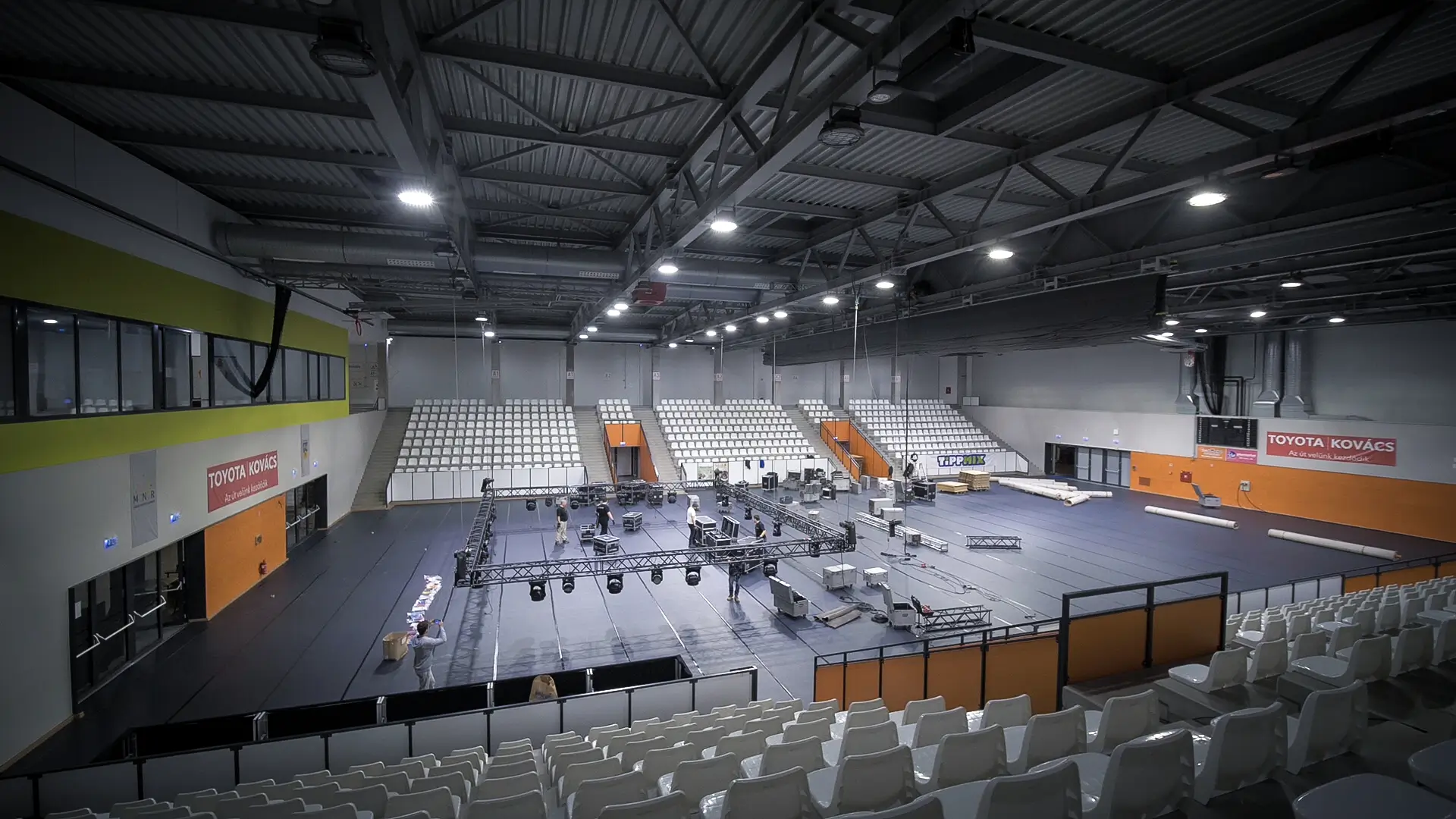
For events held occasionally in cultural, sports and educational facilities or premises for a purpose other than their original function, as well as for occasional cultural and sports events held in non-cultural and non-sports facilities or premises with a capacity of more than 500 people, the responsible organiser of the event must set out the applicable fire safety requirements and safety measures in writing and send them to the fire safety authority for information 15 days before the date of the event.
The safe running of events is in everyone's shared interest! It is very important not to leave the organisation of an event to the last minute, so that any professional questions can be discussed with the authority's staff in time — that way, time is no obstacle to implementing safe solutions!
Music and dance events
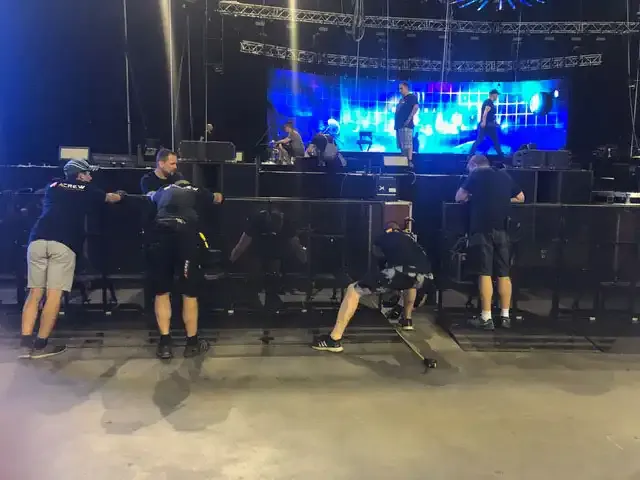
In the case of music and dance events covered by the government decree on making the operation of music and dance events safer, the licensing procedure under the decree must be carried out. Guidance on the content of the documentation to be prepared for the fire safety authority is provided by the TvMI (fire safety technical guideline). Taking the listed content criteria into account is recommended in order to make events as safe as possible.
The TvMI offers numerous document templates for event organisers — among them the notification data sheet, a fire safety training record template, and the document required for carrying out occasional fire-hazardous activities.

Fire safety rules
The guide compiled below is intended to support the work of event organisers — for the lawful and safe running of events, the prevention of tragedies, and an overview of the applicable legal requirements.
The guide covers the rules applying to outdoor events, major outdoor music and dance events, events held occasionally in cultural, sports and educational facilities or premises for a purpose other than their original function, and occasional cultural and sports events held in non-cultural and non-sports facilities or premises with a capacity of more than 500 people.